Envision a Tourism Boom
One of Lewiston-Clarkston’s most notable characteristics is the cities’ enviable location at the confluence of two beautiful rivers, the lower Snake and the Clearwater. Bringing our river back to life will bring a huge boost for tourism and our economy.
Photo credit: Scott Putnam
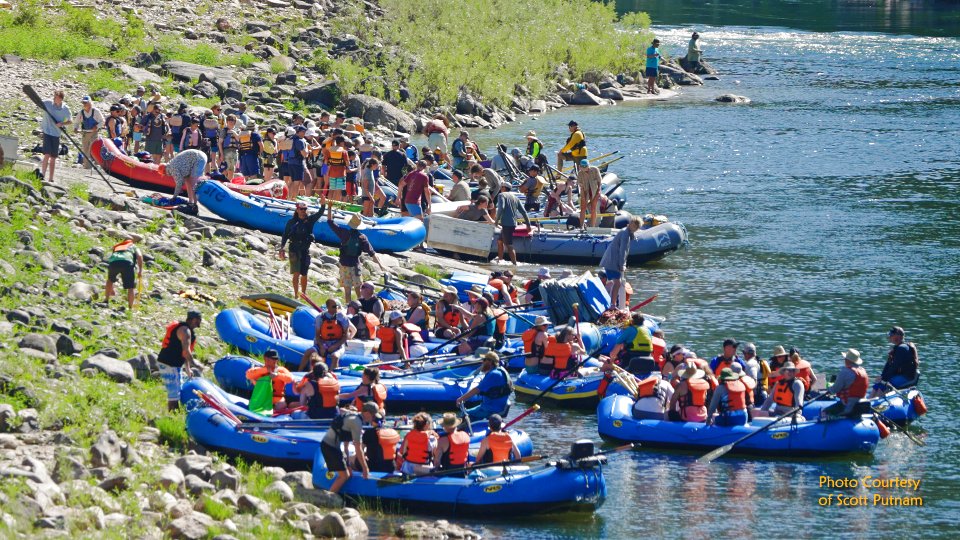
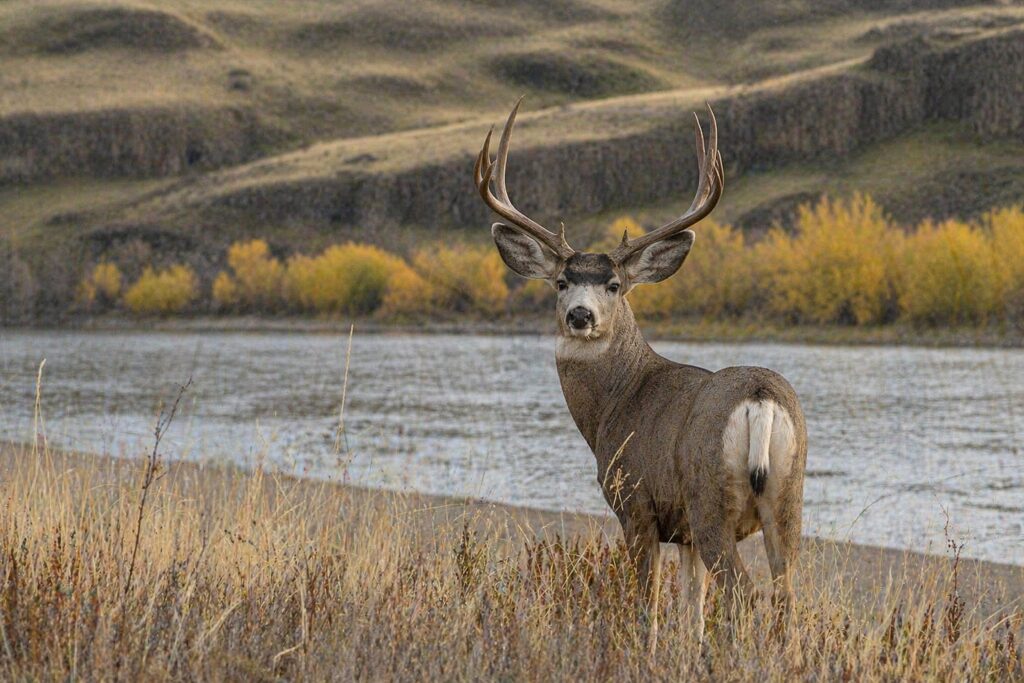
Combine the valley’s great weather with the opportunities for outdoor recreation, and you’ve got an ideal vacation location with:
- White water sports: jet boating, rafting, kayaking, wave surfing
- Sport fishing: salmon and steelhead, sturgeon, bass, walleye and channel catfish
- Hunting: both big game and bird hunting
- Beach activities: swimming, water skiing, beach volleyball and other pastimes, boating & marinas, tubing, picnicking
- A chance to spend time in nature: wildlife viewing, birding, hiking, horseback riding, backpacking and camping
The business case for an outdoor-recreation-based economy
Businesses in Lewiston-Clarkston will prosper by creating a great vacation or weekend-getaway experience. New businesses will launch. Hotels, cafes and local shops will see growth in the number of patrons.
Whitewater sports
Before the dams went in, more than 66 named rapids churned the waters of the lower Snake River. When these dams are removed and the flooded riverbed is unburied, we expect this unparalleled run of rapids to return. The recreational opportunities that result will rival those of the best white-water rivers in the country.
Greg McReynolds, Executive Director, Idaho Rivers United
Photo credit: Scott Putnam
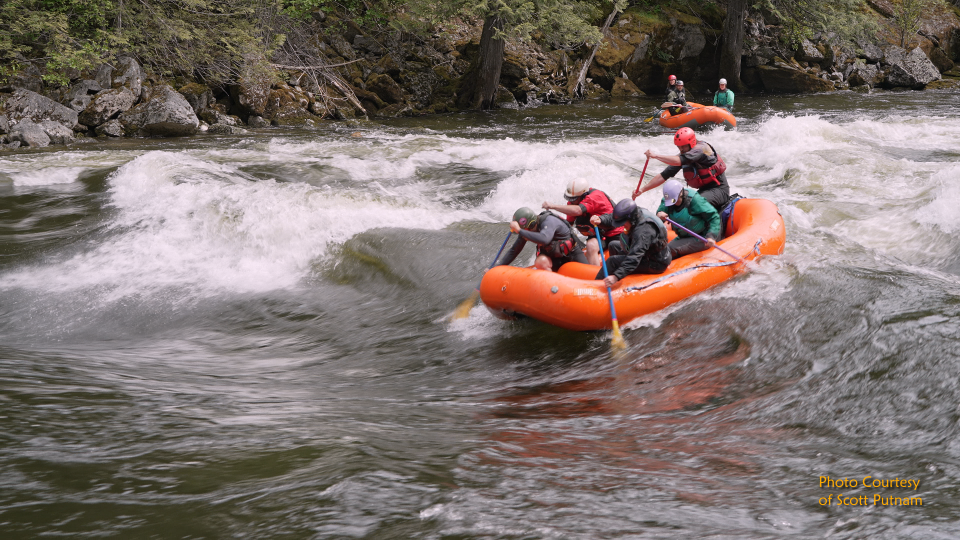
Rafting
High-quality, flexible rafts and nimble kayaks have made white-water sports a mainstream commercial industry.
Photo credit: Scott Putnam
Whitewater kayaking
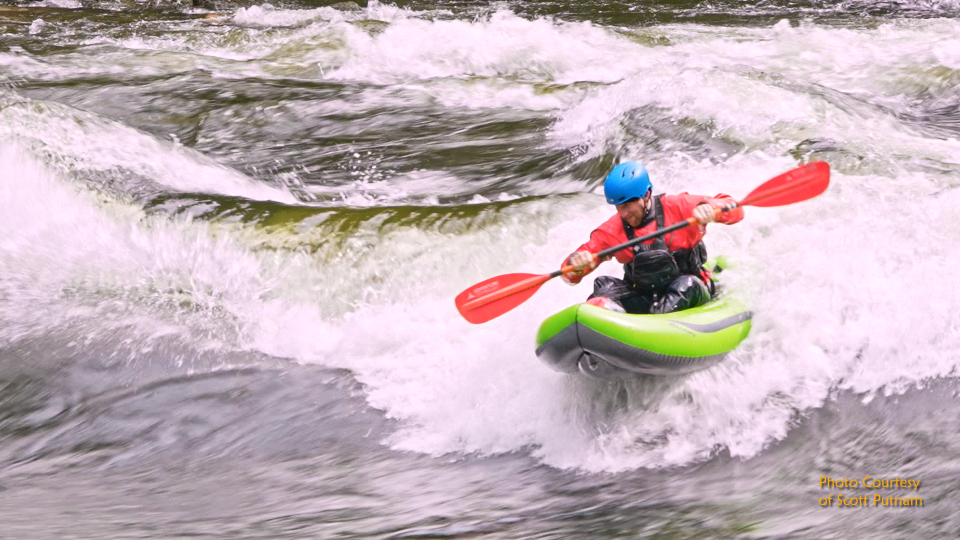
A free-flowing lower Snake River will offer many things kayaking enthusiasts seek: an intense, adrenalin-filled challenge on big water, immersion in beautiful scenery, and a varied experience while having fun with fellow kayakers. Today’s lightweight, maneuverable whitewater kayaks make the sport perfectly suited to the challenges posed by the lower Snake River.
Photo credit: Scott Putnam
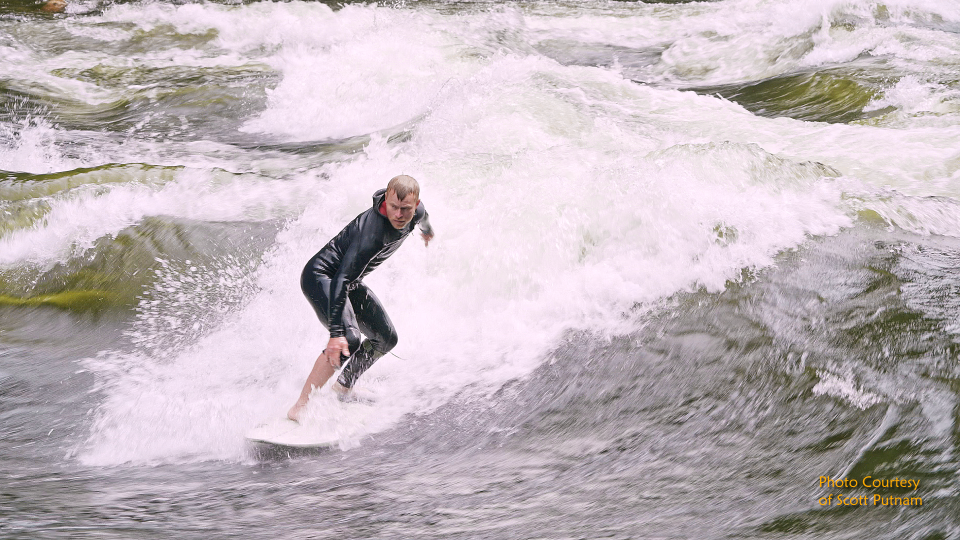
Wave surfing
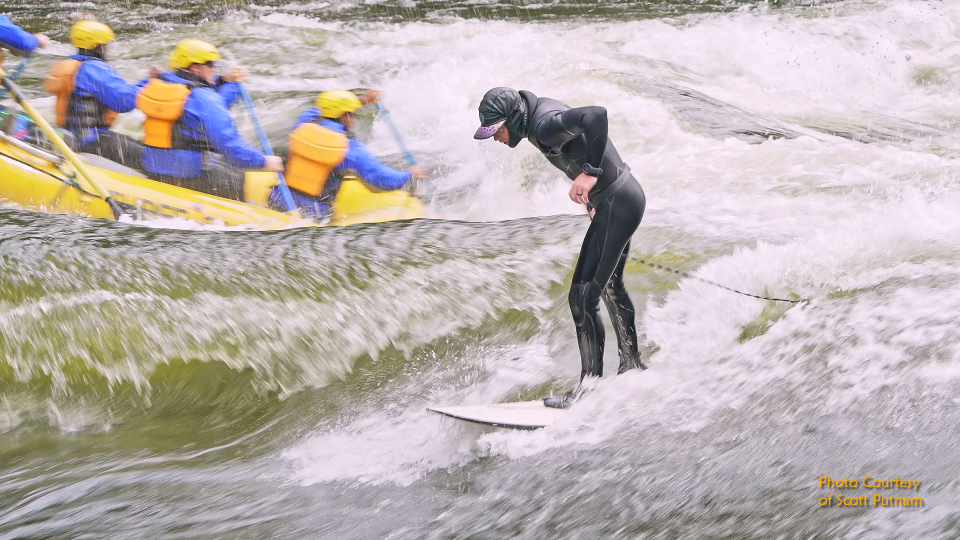
Wave surfing has become much more popular recently due to the creation of wave parks in the West. These parks feature man-made, standing waves that have been engineered to occur continually. For example, in Calgary, Alberta river wave surfing is estimated to generate $14 million in yearly economic activity. This includes equipment sales, lodging and food. But to have the chance to wave surf naturally occurring waves in an actual river…that’s a thrill that already brings some surfers to the Snake River corridor. With a long, free-flowing river, we expect many more wave surfers to head our way.
Photo credit: Scott Putnam
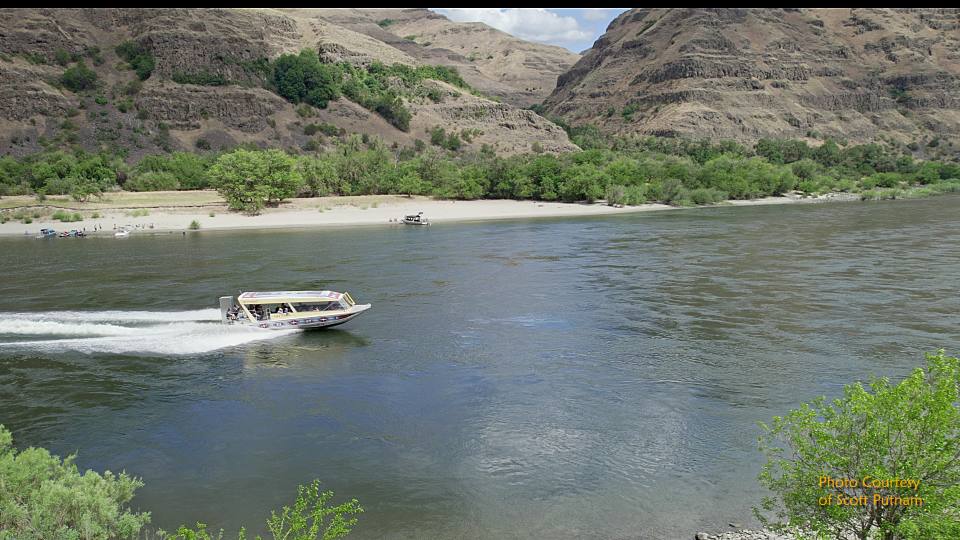
Jetboating
Jet boats, designed for running in shallow water, are ideal for the lower Snake River. And the jetboat segment of the motorized boating sector is growing: roughly 9,742 new jet boat units were sold in 2024.
Photo credit: Scott Putnam
Fishing
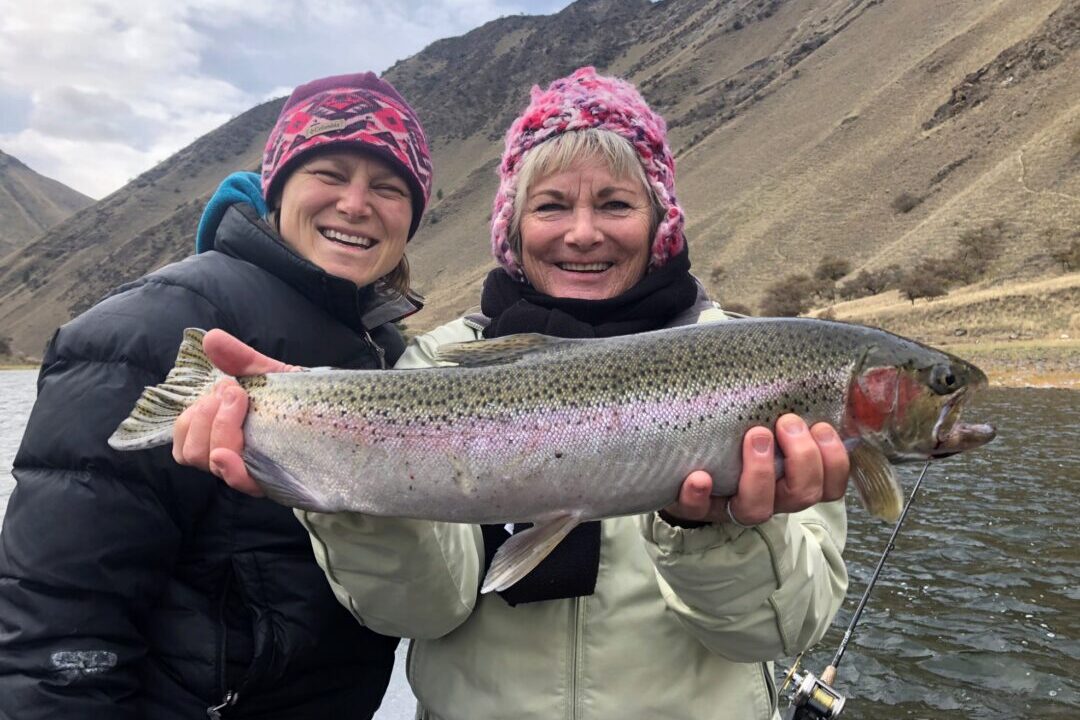
Salmon and steelhead are economic engines for Idaho. Their return each year sustains a vast web of businesses, from outfitters and guides to hotels, restaurants, and gear shops.
Fishing is as central to the economy as agriculture or forestry. In Idaho, sportfishing generates about $1.2 billion annually, supporting an estimated 8,750 jobs. In 2019, the Lewiston Morning Tribune reported revenue from salmon and steelhead fishing in the Lewiston region was estimated to be $8.61 million per month, with anglers spending $350 per trip and returning yearly.
Photo credit: Jon Kittell
The 2001 spring Chinook season offers a vivid example–the season generated $107 million in spending across the state, with nearly half — about $51 million ($94 million in today’s dollars) — concentrated in river towns like Lewiston, Riggins, and Orofino. That infusion of cash was transformative. Motels were booked, cafes stayed open late, and guides reported their busiest season in memory.
The flip side of abundance is scarcity. In 2019, a steelhead closure on the Clearwater River forced outfitters to cancel trips and towns to weather empty seasons. The estimated losses were staggering: $8.6 million per month, totaling $34.4 million over four months.
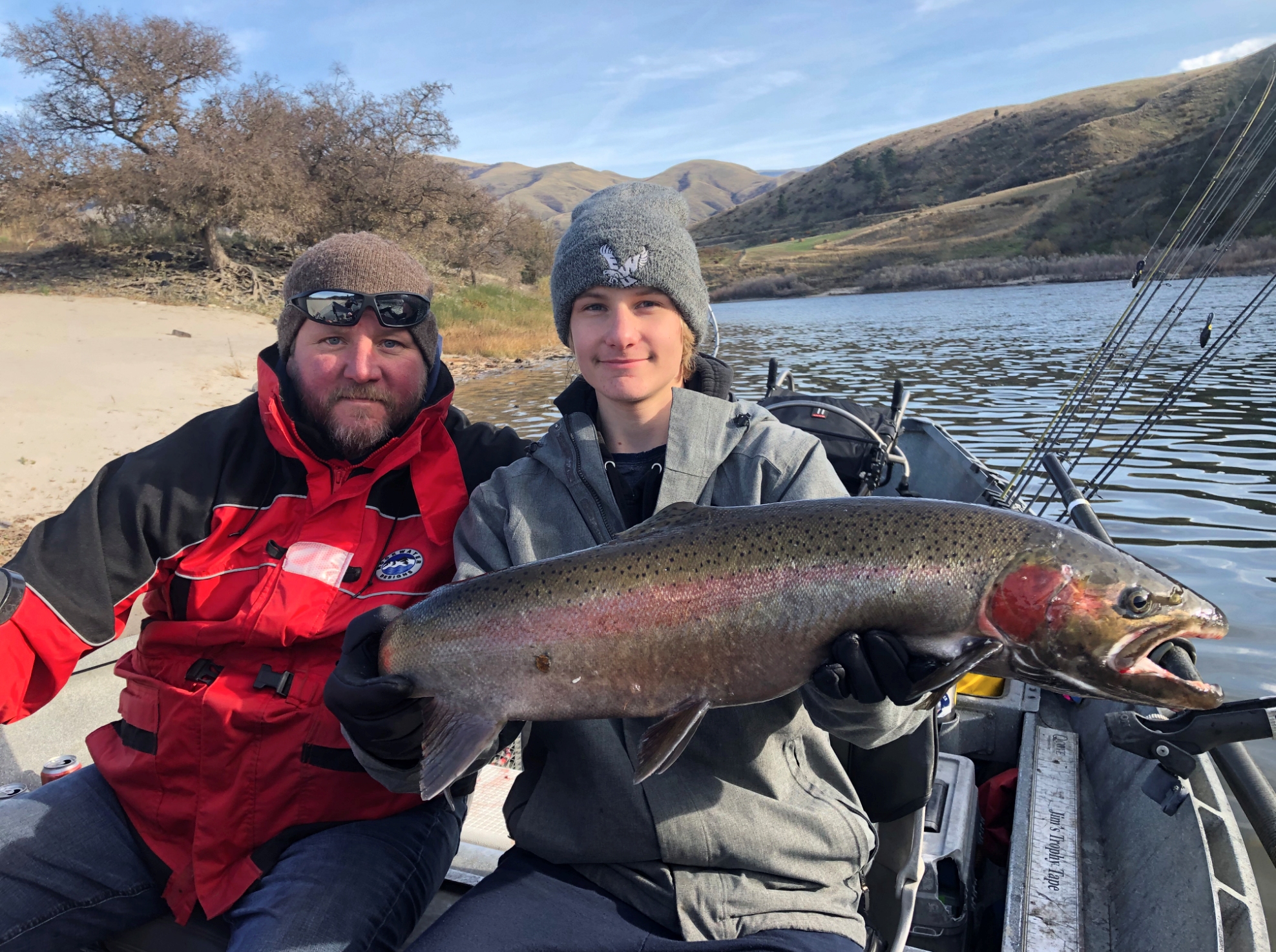
With healthy, harvestable populations, fishing could return to being one of Idaho’s largest renewable economic sectors. Instead of boom-and-bust cycles tied to unpredictable runs, towns could rely on stable seasons that attract both resident and nonresident anglers. And those non-resident anglers are lucrative. It is estimated that participants in guided fishing trips in Montana, for example, spend nearly six times as much as non-guided fishers.
Photo credit: Jon Kittell
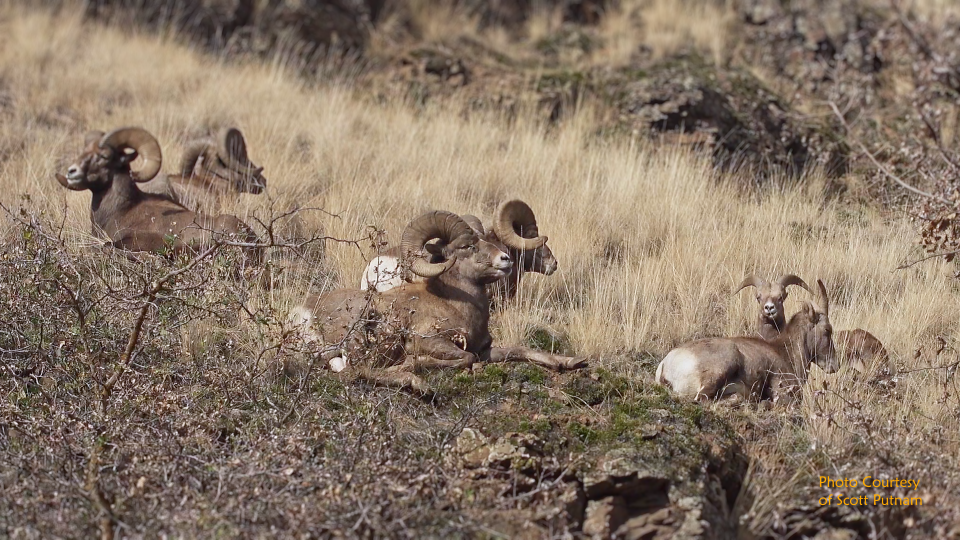
Hunting
“Defying a nation-wide decrease in the number of hunters nationwide, the Rocky Mountains and Pacific Northwest have seen a surge in hunters particularly since 2020, driven by the “Covid surge,” social media, and an interest in local food sources.”
GoHunt.com 4/19/2021