


Archaeological Sites
There are many significant historical sites along the lower Snake River corridor. While some were buried under the water when 144 miles of the lower Snake River were inundated and replaced by four reservoirs, others are accessible today.
- Marmes Rockshelter is an archaeological site dating back more than 10,000 years. Excavated in 1968, it was discovered to hold the oldest human remains yet to be found in North America at the time of its discovery. The site was inundated with 40 feet of water one year later, upon completion of the Lower Monumental Dam.
- Buffalo Eddy petroglyphs and pictographs feature hundreds of images of people, animals and geometric drawings. This sacred site for the Nez Perce is part of the Nez Perce Historical Park. This site is accessible by hiking on the Washington side of the river.
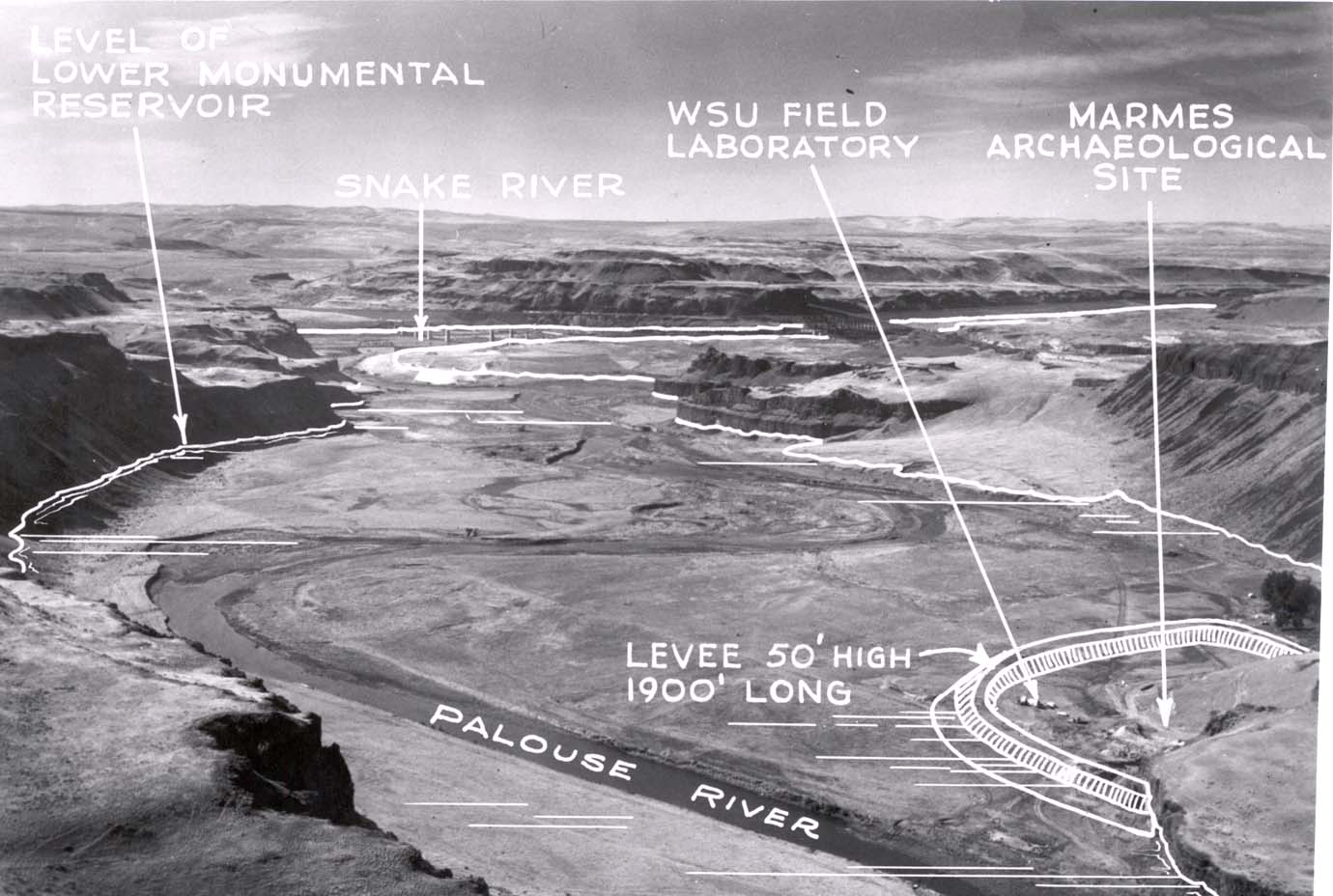
Photo credit: WSU Museum of Anthropology
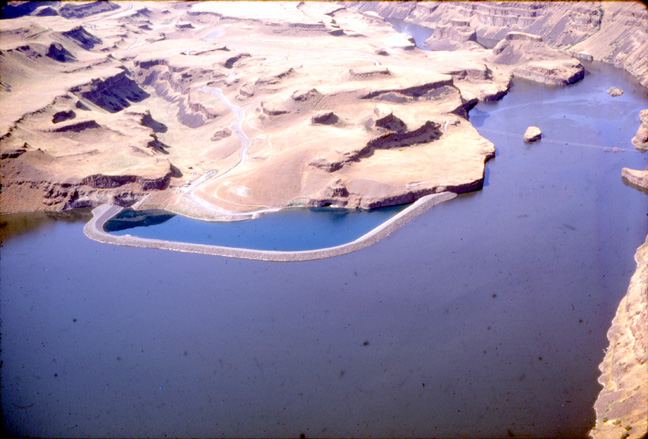
Photo credit: WSU Museum of Anthropology
Marmes Rockshelter
The Marmes Rockshelter is an archaeological site first excavated in 1962, near the confluence of the Snake and Palouse Rivers in southeastern Washington. This rockshelter is remarkable in the level of preservation of organic materials, the depth of stratified deposits, and the age of the Native American human remains found there. Even though it has been under water for almost 60 years, it is believed to be in stable condition and could still yield many significant archaeological discoveries.
Other historical sites you’ll want to take in:
- Fishhook Park. This historical park is named after Fishhook Jim, a member of the Palouse Tribe. The Palouse lived along this section of the Snake River for thousands of years prior to the inundation. Explorers Lewis and Clark passed through the rapids here in their canoes, finding the narrow, boulder-filled passage requiring “great dexterity to avoid being dashed on them.”
- Nez Perce National Historical Park
- Hells Gate State Park and Lewis & Clark Discovery Center
- The Confluence overlook
- Tsceminicum Lewiston-Clarkston Art Tour
- Historic Liberty Theatre